Learning Spanish is one of the most rewarding projects a language lover can take on. The first weeks bring simple greetings and a few verbs. A year later, the same learner is reading news, chatting with friends and sometimes filling in official forms. That last step is where good intentions meet real rules, and a classroom level of Spanish is rarely enough.
Why Spanish attracts so many learners
Spanish is spoken by hundreds of millions of people across more than twenty countries. It opens doors to travel, music, business and literature. Its sounds are regular and its spelling is friendly, which makes the early progress feel fast.
Many students start with an app, then move to a tutor or an evening class. Along the way they collect a growing pile of notes, flashcards and half-finished exercises.
How hard is it really?
Spanish is often described as one of the easier languages for English speakers. Still, every language has hurdles. Verb tenses, the subjunctive mood and fast native speech can slow even a motivated student. If you wonder where Spanish sits on the difficulty scale, it helps to read about the hardest languages to learn and see how different tongues compare.
The lesson is simple. Steady practice beats occasional bursts. Twenty minutes a day will take you further than a long session once a week.
From study to real life
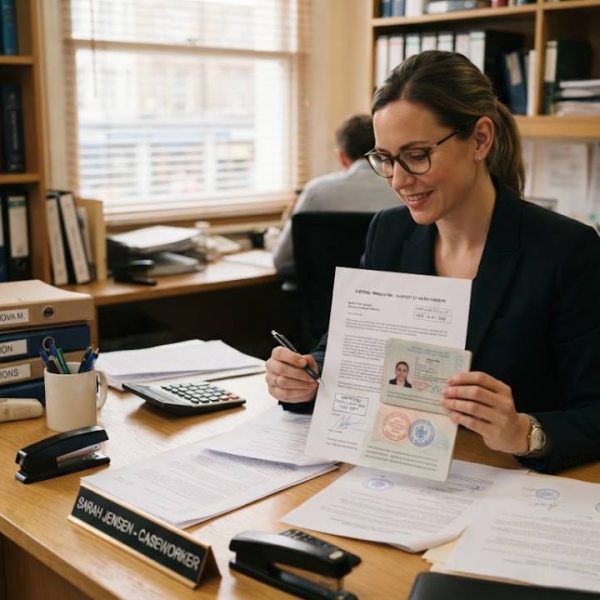
The moment a learner moves abroad, enrols in a university or applies for a job, language stops being a hobby. Suddenly there are certificates, contracts and records that must be understood by an office that has never met you.
Fluency in conversation does not equal the ability to produce legal-quality translation. These are different skills. Officials need a precise, traceable text, and they often ask for proof of who produced it.
The same step from classroom language to real-world use applies to companies, not just individuals, because a business entering a Spanish-speaking market must make its whole online presence feel native. A practical overview of website localization shows how localizing digital platforms for international business covers layout, imagery and calls to action as well as words. Teams that treat a website as a local product, rather than a translated brochure, usually win trust faster and avoid the misunderstandings that stall new-market launches.
When a certified translation is required
Universities, immigration offices, courts and some employers ask for a translation that carries a signed statement of accuracy. Reliable certified translation services provide exactly that, with a stamp or declaration that the text is complete and faithful to the original.
The rules differ from country to country. Some accept a statement from a professional agency. Others want a sworn translator registered with a court. Always check the requirements of the office that will read the file.
Why self-translation usually fails
Proud learners sometimes translate their own documents. It feels economical, and it seems logical. Yet most offices reject self-translated certificates, because there is no independent guarantee of accuracy.
Even when a self-made translation is accepted for informal use, small errors can cause big delays. A wrong name spelling, a misread date or a mistranslated title can force you to start the process again.
Names, dates and numbers need extra care
Spanish names often include two surnames, and conventions vary between countries. Dates may be written day first, while some systems use month first. Numbers can use commas and dots in the opposite way to English.
A professional translator keeps these details consistent and notes them clearly. That avoids confusion when an officer compares your passport with your certificate.
Building a useful learner toolkit
Alongside classes and apps, a few extra resources go a long way. A good bilingual dictionary, a grammar reference and a reliable source for authentic reading are the basics. The Instituto Cervantes offers courses, exams and cultural material that help learners of every level.
Many learners also keep a personal glossary of words from their own field, for example law, medicine or business. This pays off quickly when documents arrive.
Practice that prepares you for real documents
Reading real texts is the best preparation. Try short news articles, public notices and simple contracts, then underline every word you do not know. Compare your understanding with a trusted translation and note the differences. Over time you will notice how formal Spanish builds long sentences and uses fixed phrases.
Writing practice helps too. Draft a short formal email, ask a teacher to correct it and keep the corrected version as a model for later.
Tips for dealing with official Spanish
Official language has its own vocabulary. Words like "empadronamiento", "apostilla" or "certificado de antecedentes" rarely appear in everyday lessons. Learn them early if you plan to live in a Spanish-speaking country.
Ask the office for a list of required papers and check each line carefully. If any line is unclear, ask for an explanation in simple words before you pay a fee or sign a form.
Planning ahead saves time and money
Start collecting your documents months before you need them. Order extra copies, check expiry dates and keep digital scans. A small folder of well-prepared papers is a gift to your future self.
Then plan the translation step. Allow time for review, delivery and possible corrections. Rushed work is the most common cause of errors.
Keep learning, and keep the paperwork clean
Language study and official paperwork may look like opposite worlds, yet they meet more often than most learners expect. Enjoy the books, the songs and the conversations. When a document must cross a border, bring in a professional so your story arrives exactly as written.
With the right balance of passion and preparation, Spanish can take you almost anywhere.